

Have you ever felt like time is speeding up? Almost like the weeks, months, or even years seem to vanish. As we get older, it can feel like life is racing past.
But why is this, and can we do anything about it? The answer may lie in making some small daily changes to our lives.
The Science Bit
To better understand this, let’s learn more about how our brains perceive time and what we can do to influence it.
Our Perception of Time
Our brains don’t keep time like a wristwatch. Instead, they measure time by how many new memories we create.
As reported in Neuroscience News, novel experiences create new, long-lasting memories with distinct “bookmarks” that make them stand out when looked back upon.
In contrast, memories stored during our everyday lives are less strong and don’t have these bookmarks, and so they’re harder for us to recall.
Why Does it Feel Like Time Was Longer in the Past?
Mary Kate Long explores why childhood summers can feel like they lasted forever in her blog. She explains that children have less life experience, so each event feels bigger and longer in proportion. On top of that, kids experience more novelty, storing many new memories. That makes their days feel even longer in hindsight.

New Experiences Could Increase Brain Health
When children experience new things, they store new memories through a process called neurogenesis, which is the growth of new brain cells and connections.
Some scientists question if this applies to adults, but a recently published review of studies by Live Science suggests that neurogenesis could continue well into adult life.
If this is correct, it could confirm why our perception of the past feels longer. And if true, new experiences could even make us smarter, as we have more newly grown brain cell mass to call on.
Relationships Boosted by Shared Experiences
Who you are with when you do new things can also make a difference. Dr. Kristen Blesdoe of Trevecca Nazarene University believes that sharing experiences also helps strengthen our relationships with others.
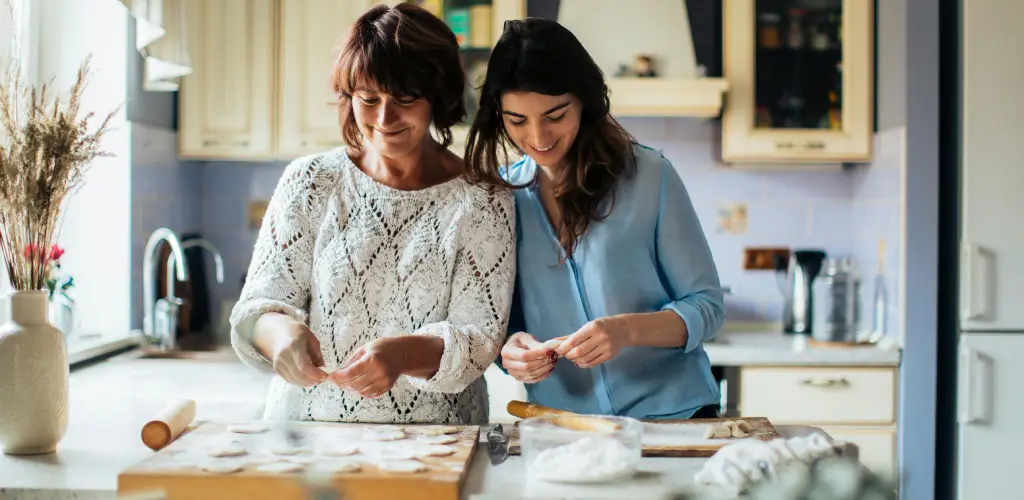
So if you spend time trying out new things with partners or friends, like trying new restaurants or exploring new locations, not only will your time with them feel longer for everyone involved, but your connections will deepen too.

How to Live Longer, Sort Of...
So, we’ve learned that we can stretch time, or at least feel like we have stretched time, by experiencing new things. But what can we practically do?
5 Simple Tips for How to Stretch Time
Here are 5 small changes that can help you feel like you’re getting more out of life, every day.
1. Regularly Try Something New
Make it a habit to try something new. Say to yourself, “Why not?” rather than “Why?”
Idea: Add a new ingredient you don’t usually eat to your shopping list.
2. Mix up your Routines
Try adding some novelty to your existing routines.
Idea: Try out new routes on your regular jog or cycle.
3. Do New Things with Others
Share new experiences with friends or loved ones. You will all feel like you are living a little longer, and you’ll make great new shared memories.
Idea: Invite your friends to a newly opened restaurant.
4. Capture and Share Memories
Take photos of your new experiences. Even the best memories can fade over time, but revisiting them can reinforce them. Sharing them with others can also help more people try new things.
Idea: Share photos of your latest gardening efforts.
5. Stay Curious
You are never too old to try new things. Be curious about the people and world around you; you may be amazed by what you discover.
Idea: Listen to a local radio broadcast from a foreign city via internet radio.
What else can you do?
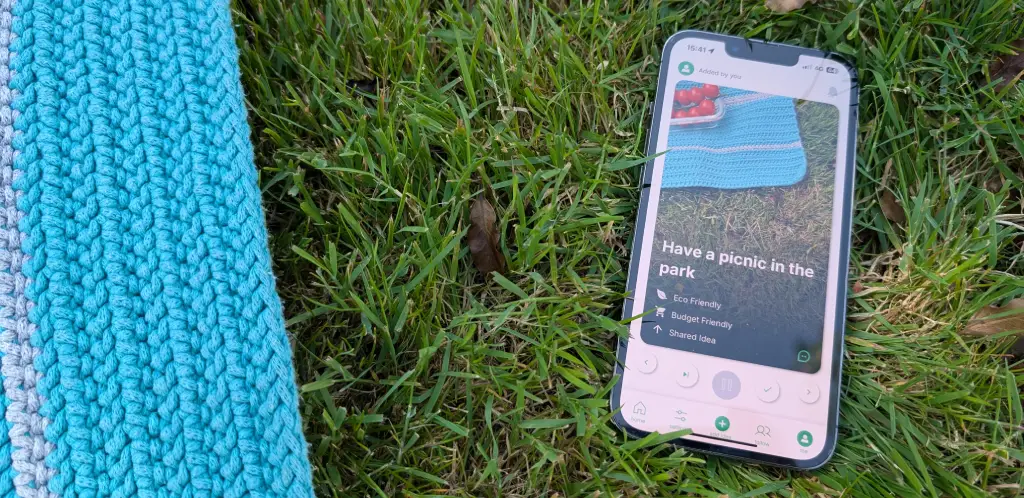
If you are now ready to discover new, inspiring ideas every day, try the free-to-use Flypp app. You can start making and sharing new memories today.
Sign up for the free Flypp app
Reflections on time
If we stick with the same routines, time will keep rushing past us. By adding new experiences daily, we can make our days feel longer, deepen our relationships, and even boost our brain health.
We only have one life, so why not make the most of it?
Author: Ben Nightingale - Founder - flypp.life
Sources:
The Brain Weaves Time Into Memories With Unique Neural Bookmarks by Rita Elmkvist Nilsen published in Neuroscience News, July 8, 2025
Can adults make new brain cells? by Theresa Sullivan Barger published in Live Science, July 3, 2025
You Can Use The “Novelty Effect” To Slow Down Time by Mary Cate Long, published in The Good Trade, September 10, 2024
The Power of Shared Experiences by Dr Kristen Blesdoe published by Trevecca Nazarine University, September 28, 2023
Photo sources:
Cover photo by Mike Chai
Children in street original photo by Norma Mortenson
People sharing an outdoor experience photo by Phil Nguyen
Women baking together photo by Elina Fairytale.